

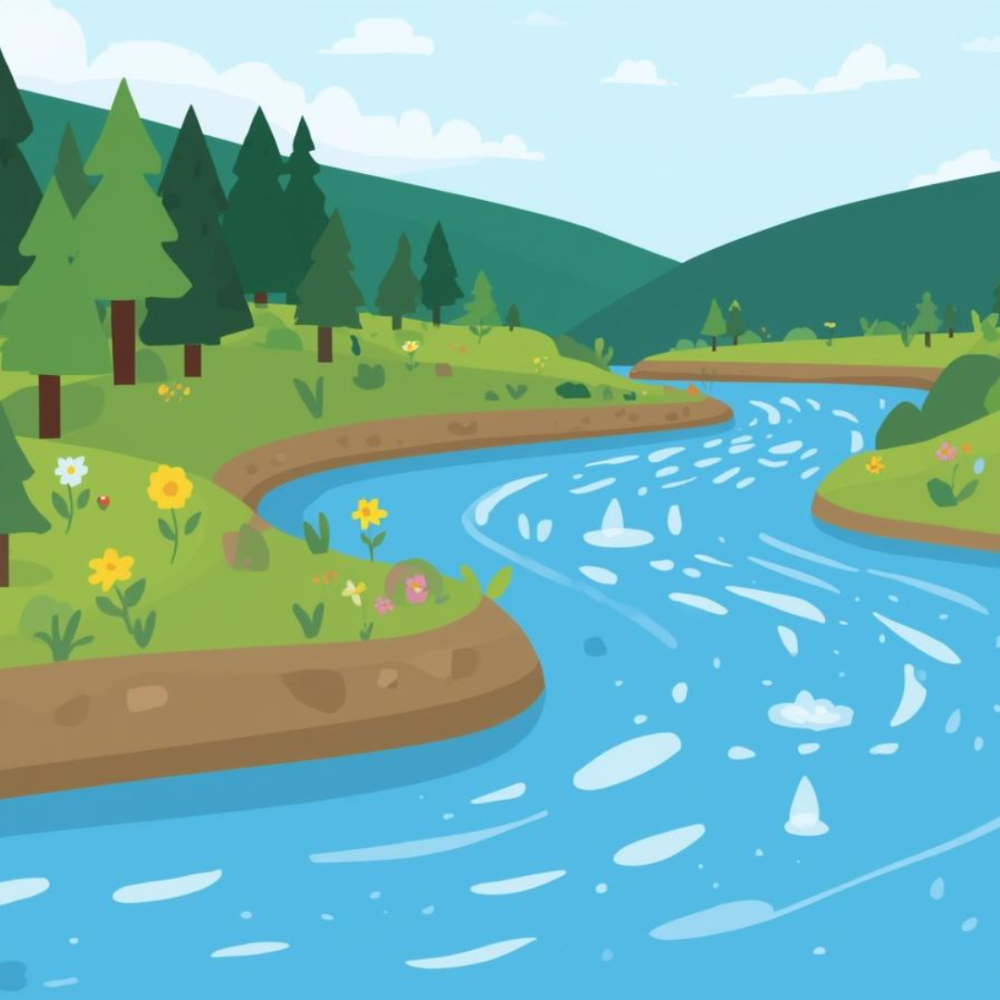
Runoff carries pollutants. Water that doesn’t soak into the ground becomes runoff. The things we do every day in our homes, yards, and communities all impact runoff, including how we dispose of trash, maintain our vehicles, and care for our yards and gardens. Rain, over-watering, incorrectly adjusted sprinklers, and hosing off hard surfaces all cause runoff. Runoff picks up trash, dirt, yard debris, oil residue, pet waste, pesticides, and fertilizers and transports them into our watershed: rivers, creeks, lakes, and the ocean. These pollutants can cause harm to humans and wildlife. We can reduce runoff and pollution by following these 10 easy tips!
10 Easy Ways to Protect Our Watersheds:
In the Yard
- Clean up outside your home, including trash, leaves, yard clippings, and pet waste.
- Water the yard only as needed and avoid spraying streets, sidewalks, and driveways to prevent water from carrying pollutants directly into storm drains.
- Divert rain spouts and garden hoses away from paved surfaces. Provide landscaping next to sidewalks and driveways to help collect and filter rain runoff.
- Control erosion around your property to prevent dirt and debris from being carried into the storm drain.
- Read labels on pesticides, herbicides, and fungicides prior to use and follow instructions carefully. Try Integrated Pest Management (IPM) as a less toxic alternative for yard pest management, and learn more about solving pest problems with less-toxic products at Our Water Our World.
Around the Car
- Wash your car on an unpaved area or take it to a commercial car wash where the wastewater will be treated.
- Maintain your car so that it won’t leak fluids onto roads/driveways. If leaks can’t be avoided, use drip pans. Clean up spills with absorbent materials, bag it and dispose of it in the trash or at a Community Hazardous Waste Collection Center. Dispose of waste vehicle fluids at a certified recycling facility (such as many auto parts stores) or the Community Hazardous Waste Collection Center.
Around the House
- Keep paints, solvents, and other “toxic” chemicals off the ground and away from storm drains. Painting tools used with water-based paint can be rinsed in the sink. Take all unwanted paint and solvents (including waste from washing tools used with latex and oil-based paints) to a Community Hazardous Waste Collection Center.
Pet Waste
- Pet waste is not part of a healthy watershed. Be sure to pick it up when walking your dog. The watershed should only shed water. Find out the truth about dog poop.
Horses/Livestock
- Proper manure management can prevent pollutants from entering waterways and improve livestock health. Deposit waste in sturdy insect-resistant and seepage-free waste containers. Check out the Guide to Composting Horse Manure in English and Spanish.
Protecting our watershed does not require grand gestures; it just requires small, simple choices made every day. When we all pitch in, even tiny actions can make a big difference.
For more information on how you can help protect our watersheds, check out our Homeowner’s Guide in English and Spanish.